Guide / Squat-Proof Leggings
We're asked some version of this question every week: are these actually squat-proof, or is that just copy on a product page. It's worth asking. Half the leggings sold under that label have never been tested by anyone checking.
Short answer: a legging is squat-proof if it stays fully opaque once the fabric is stretched, whether that's a squat, a lunge, or just bending over to tie a shoe. That comes down to fabric weight and elastane content. Colour plays a part too, more on that below. What's printed on the waistband or the brand tag has nothing to do with it.

Where the claim usually falls apart
There's no board handing out squat-proof certificates. No industry body checks it. So a brand can write the word on a listing whether the fabric has been through one wash or a hundred.
Usually what's actually happened is the fabric was too thin to begin with, or there wasn't enough elastane in it to hold its shape past the first few washes. Either way, the fabric thins out fastest exactly where you don't want it to: the seat, the inner thigh, behind the knee.
How to actually check, ideally before you buy
You can do most of this without putting the leggings on.

Bamboo doesn't automatically mean squat-proof
Bamboo shows up constantly in squat-proof marketing, but the fibre itself has very little to do with whether a legging actually holds up. What decides that is what happens to the fabric during the squat itself.
A deep squat stretches the fabric across your glutes and thighs by roughly a third beyond its resting size. That's the real test, not how a pair looks folded on a shelf. Fabric that's dense enough to stay opaque sitting still can still go sheer the second it's pulled that far, which is exactly why the stretch test earlier in this guide works. You're putting the fabric through the same distortion a squat does, just with two fingers instead of a full range of motion.
It's also why we build with a heavier, denser knit than most of what gets sold as activewear. It costs more and it's less common on the rack, but it's the difference between fabric engineered to hold up at a 30 percent stretch and fabric that was only ever tested standing still.
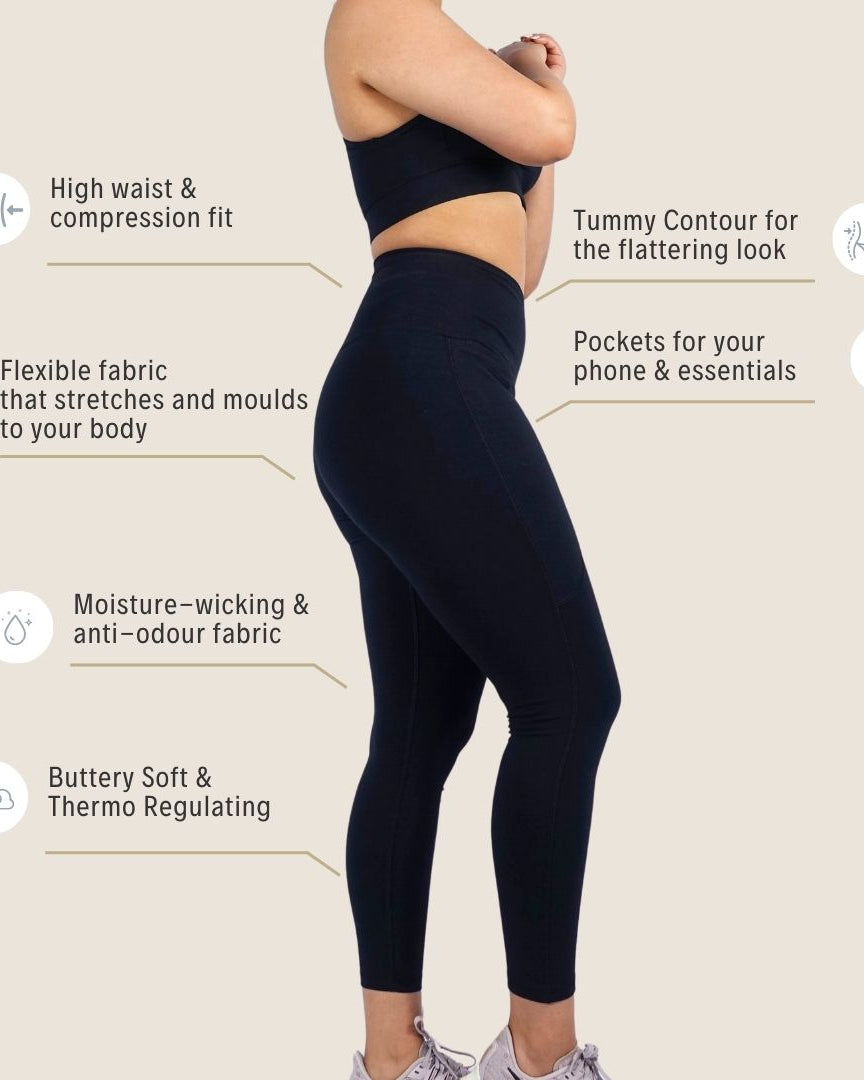
That density comes from a specific blend, not just a heavier hand. Ours is a 47% cotton, 38% bamboo, 15% elastane blend, built as a four-way stretch fabric with gentle compression, designed in Brisbane and it's the elastane doing the structural work through a session, not the bamboo[1].

The prints that are actually squat-proof
We don't put a squat-proof label across everything we sell. Fabric behaves a little differently depending on the print, the dye, and the construction, even on a similar base cloth, so we only make the claim where we've actually tested it.
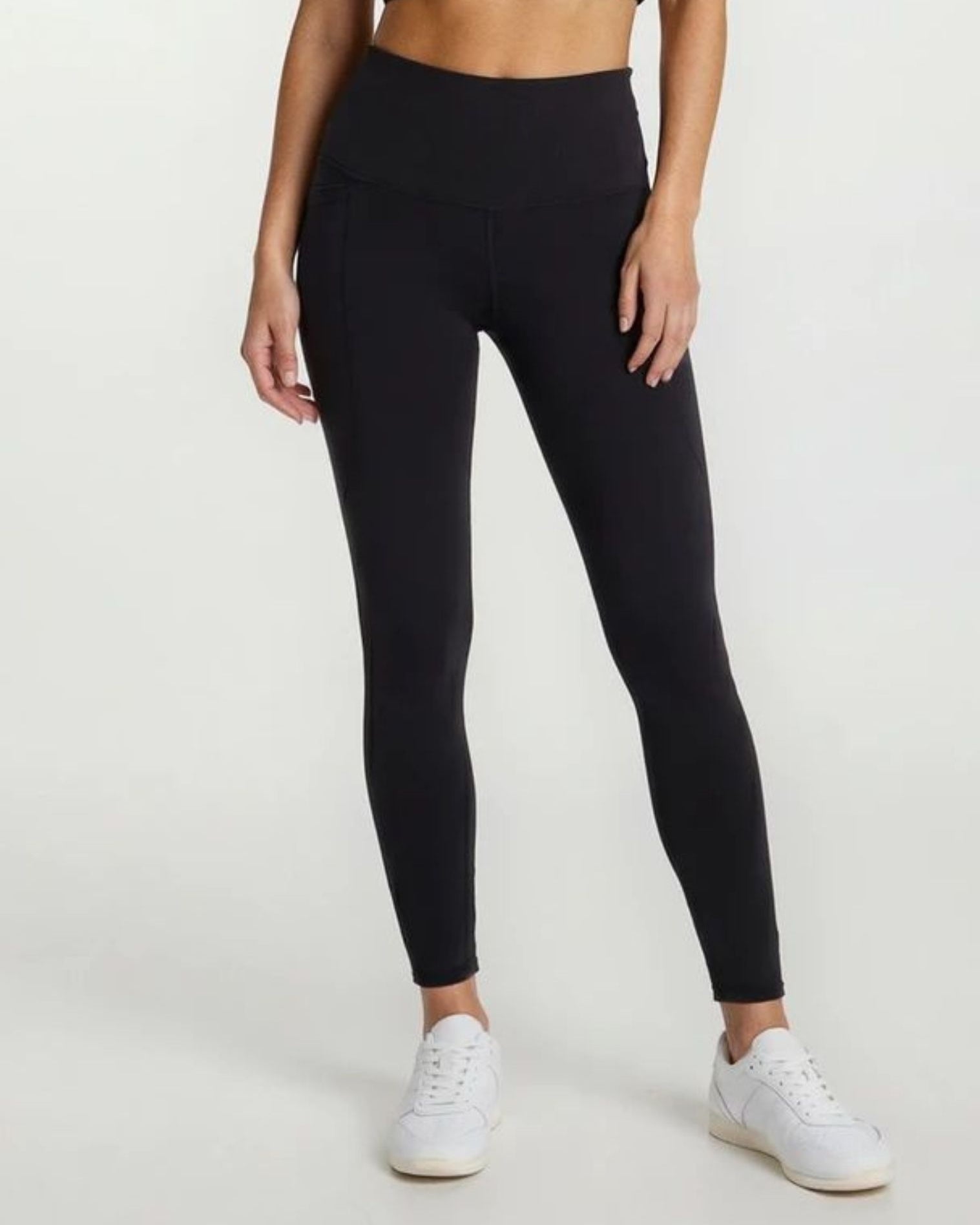
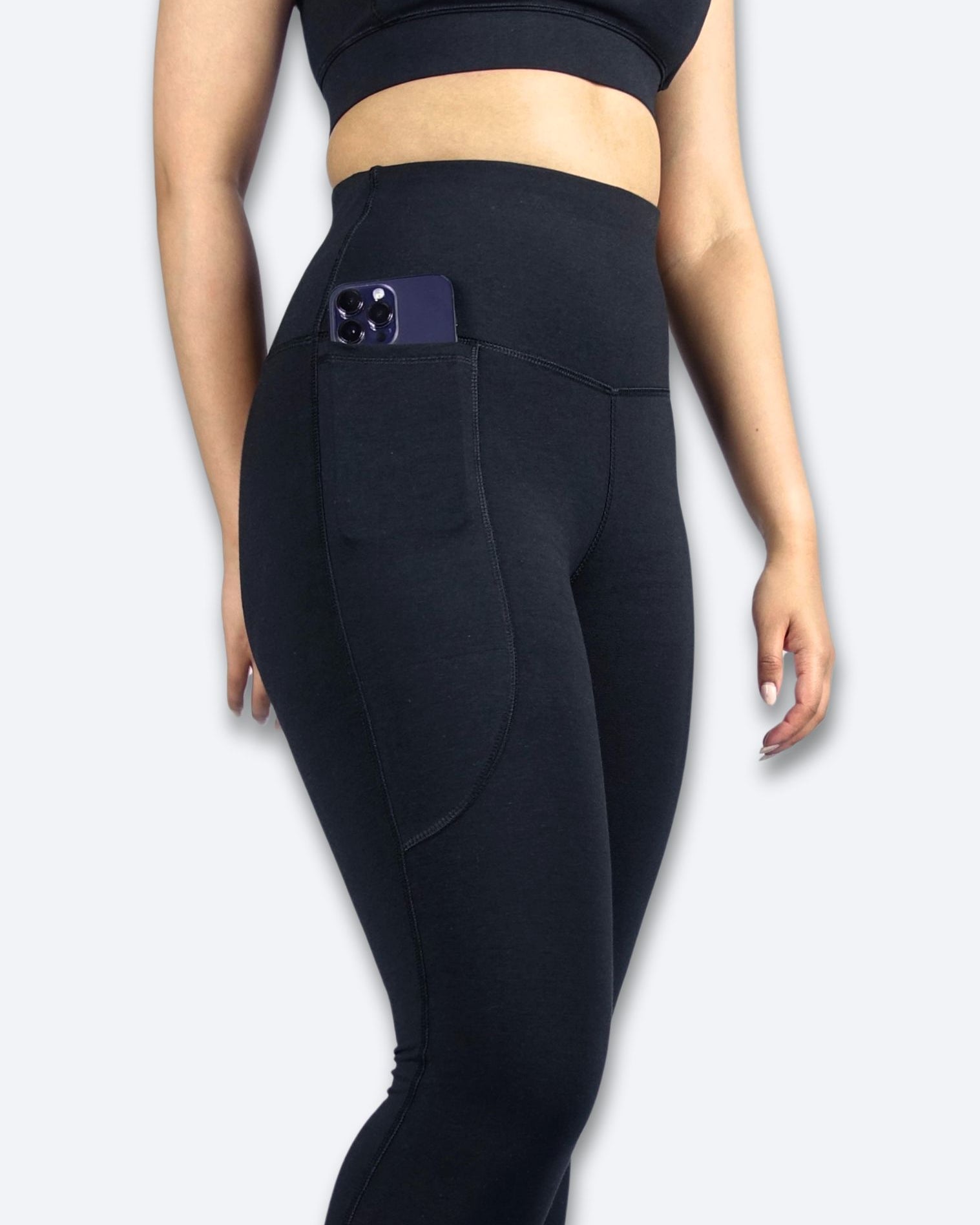
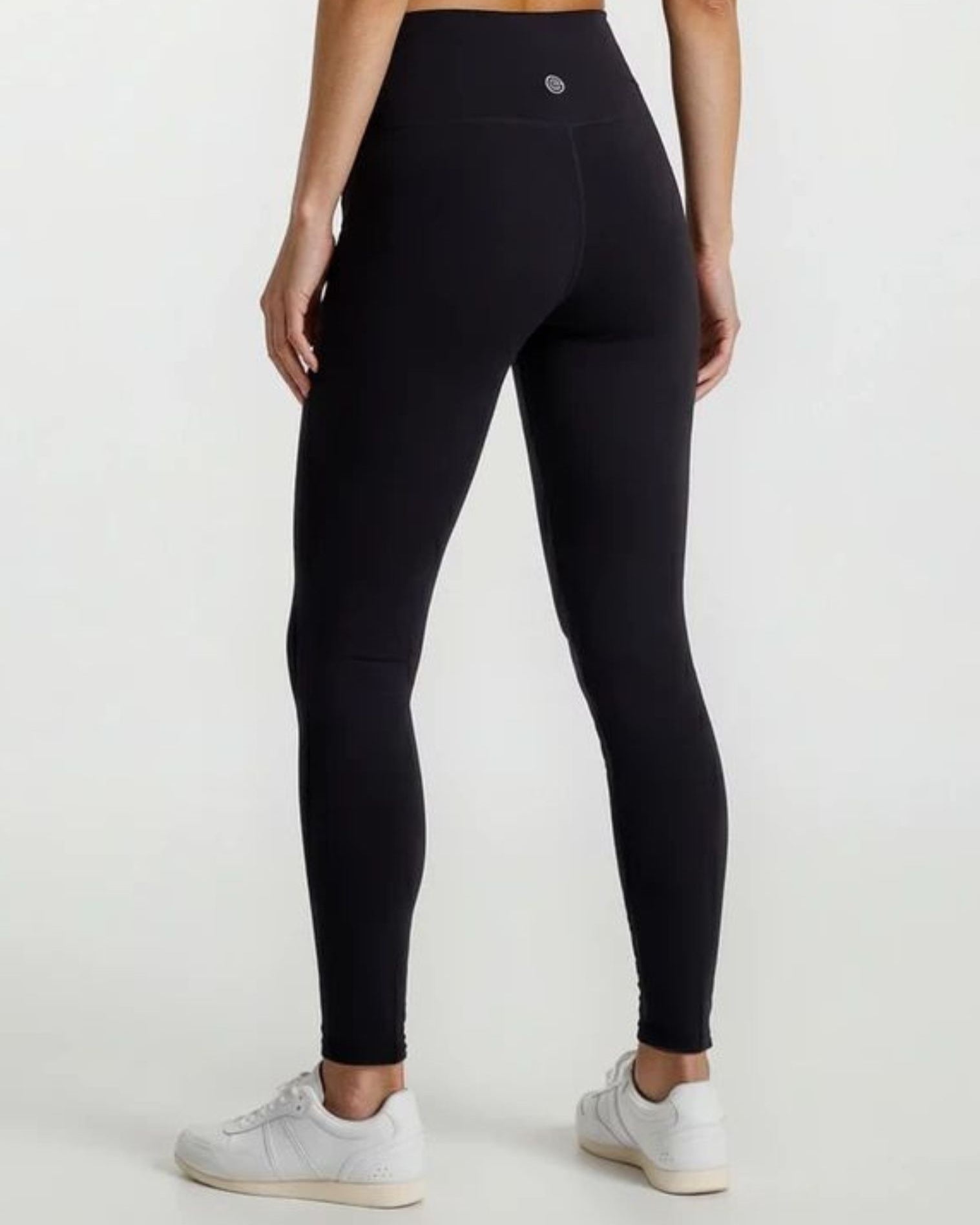
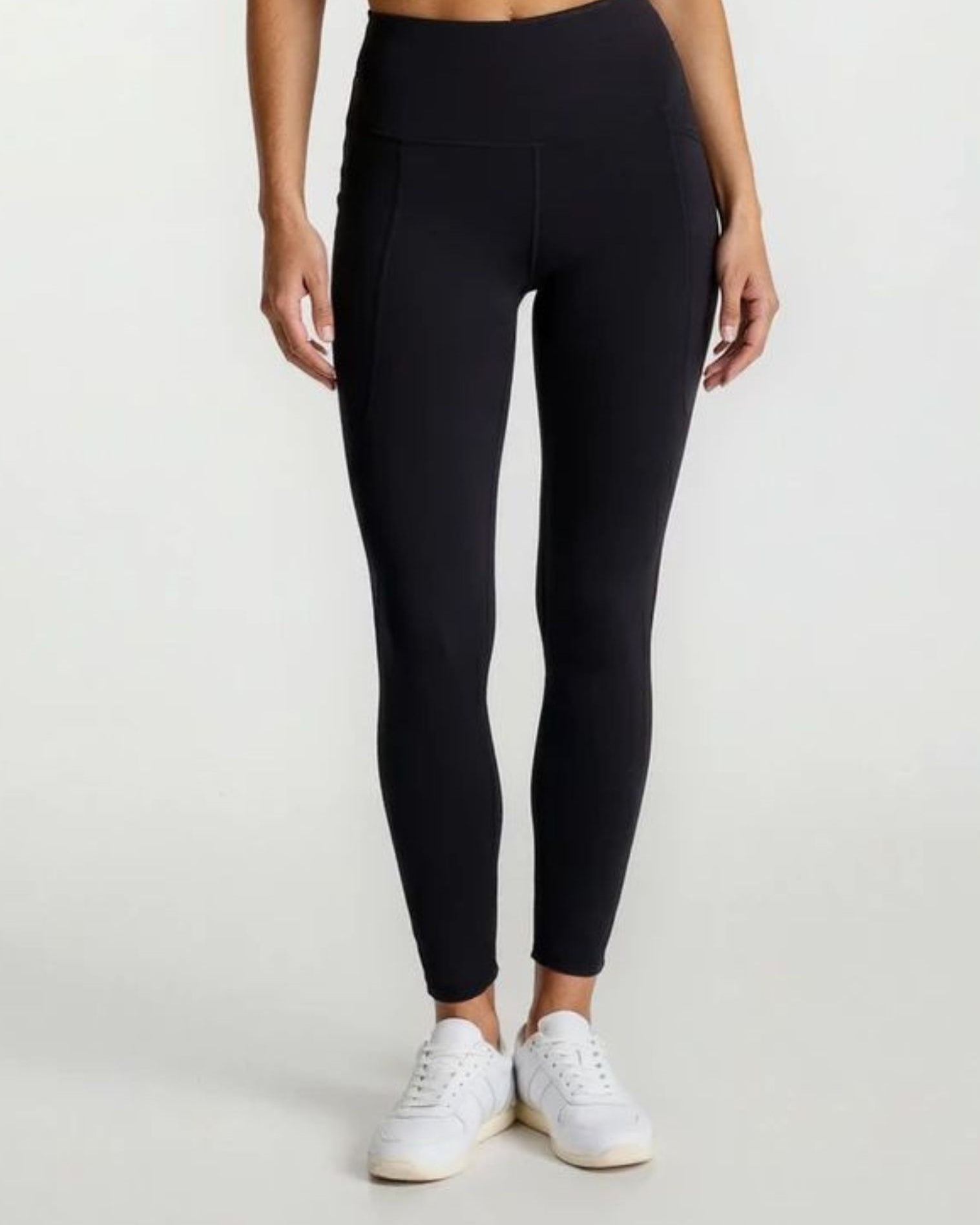
Right now that's three: Serpentine Snake Print, and the entire Swift and Motion ranges, tested and confirmed across every print and colourway in both. Everything else in the wider range is built on the same fabric quality. We just haven't tested it closely enough to make the same claim.

Common questions
Are bamboo leggings squat-proof?
Not on their own. Bamboo changes how the fabric feels and breathes, not whether it holds up under stretch. That comes down to elastane and fabric weight.
How do I know if leggings will go see-through before they arrive?
Check the elastane percentage if it's listed, lean toward darker colours if you're unsure, and search the reviews for "see-through" before ordering.
Does colour actually affect squat-proof performance?
The fabric itself doesn't change. What changes is how visible any thinning is. Black hides it. White and pale grey don't.
Do more expensive leggings mean better squat-proof performance?
There's a loose correlation. Heavier fabric and a higher elastane content cost more to produce, so price can be a signal. It isn't proof. Test the fabric yourself rather than take the price tag's word for it.
Which Active by GS leggings are squat-proof?
Serpentine Snake Print, and the entire Swift and Motion ranges. That's the current list.
References
- The LYCRA Company. "What Is LYCRA® Fiber? The Original Spandex & Elastane Technology." lycra.com
The softer side of active.
Shop these squat-proof styles