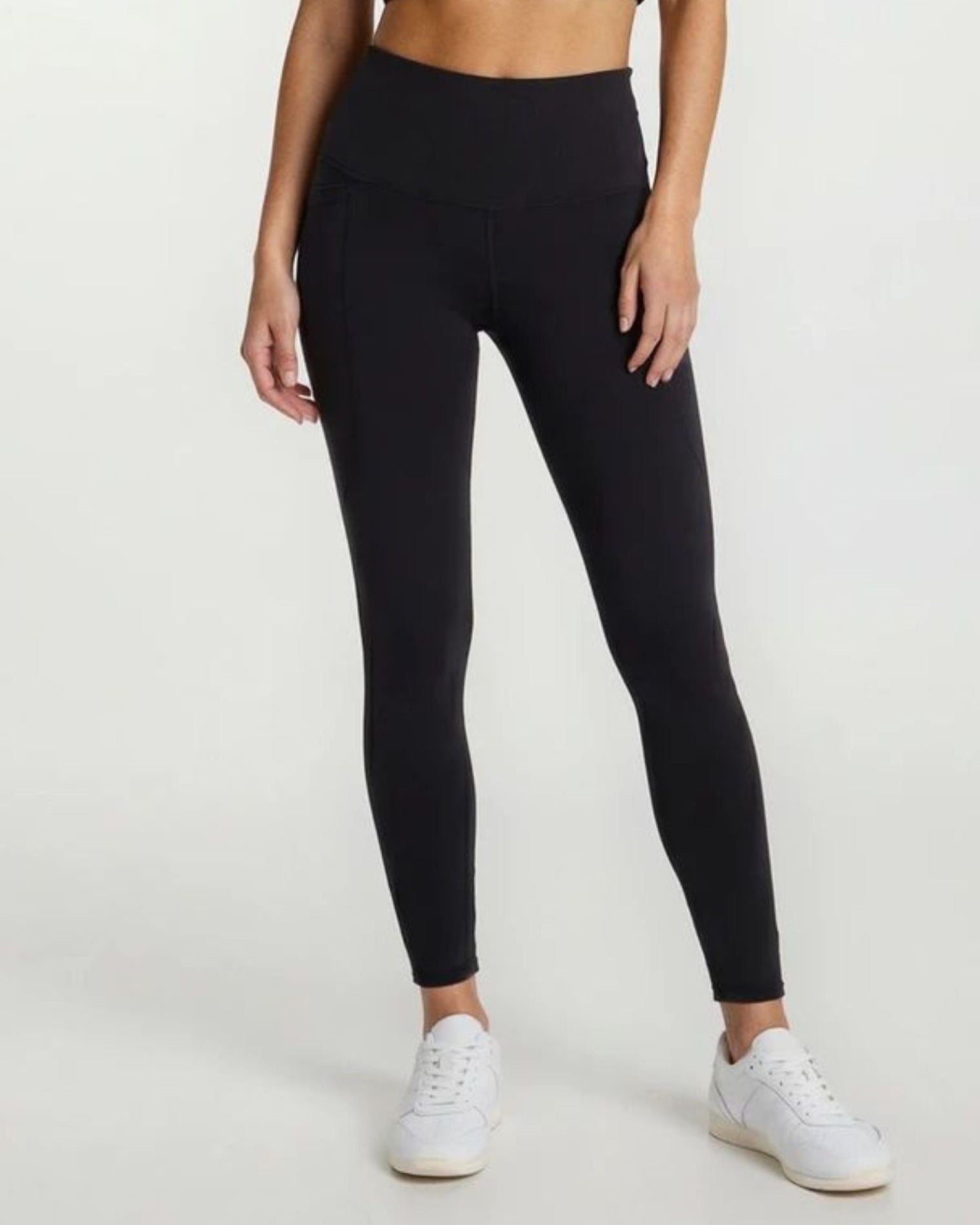
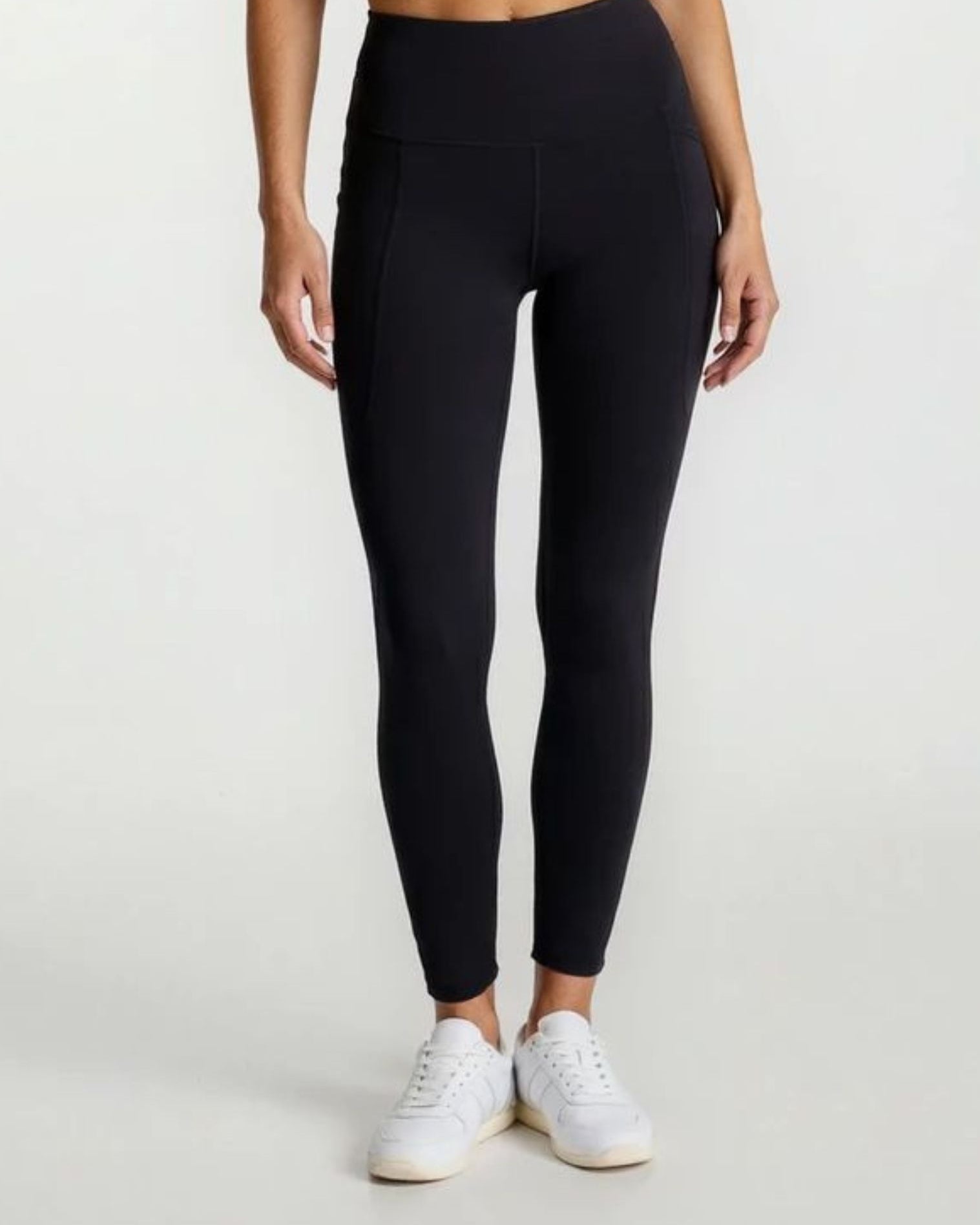
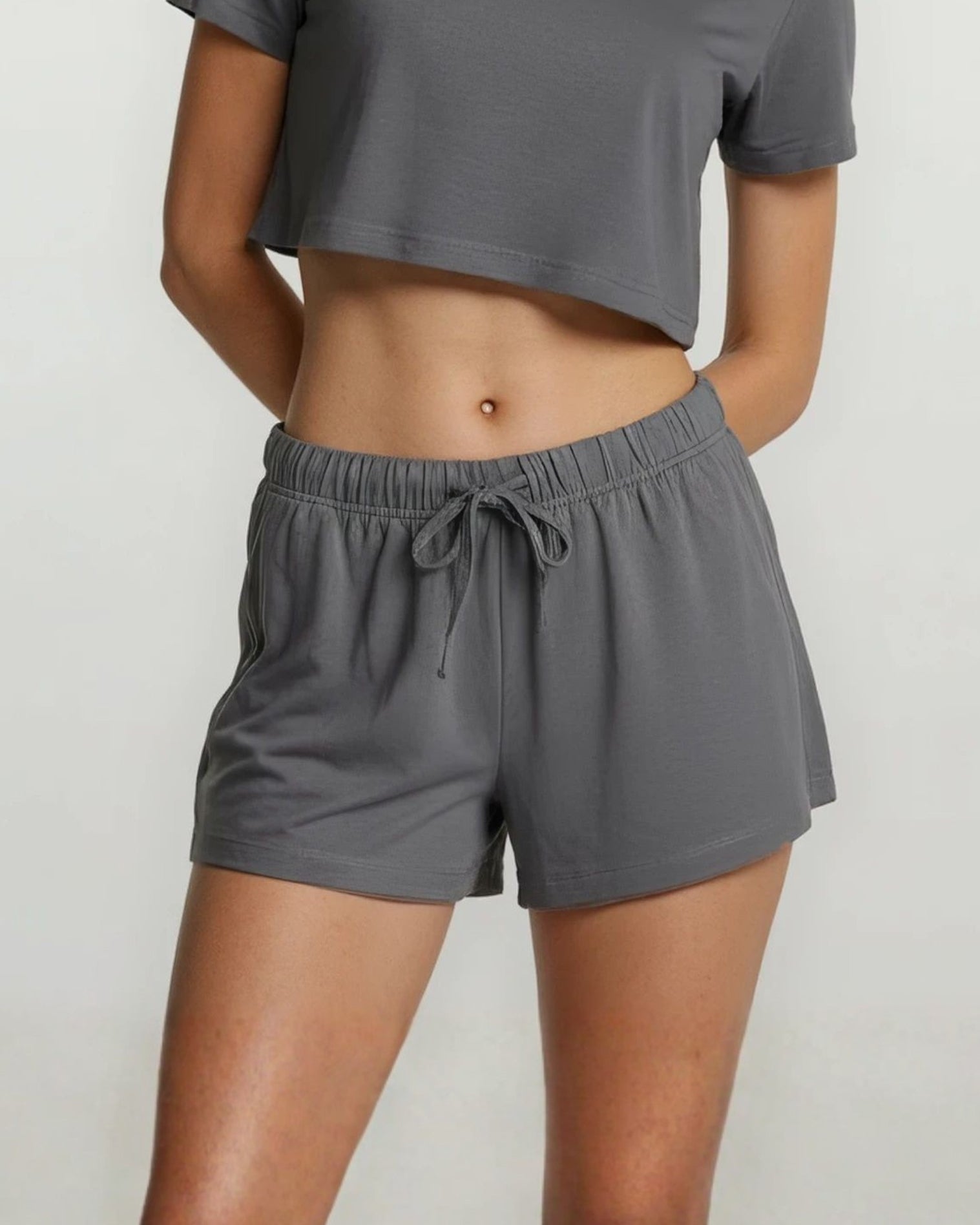
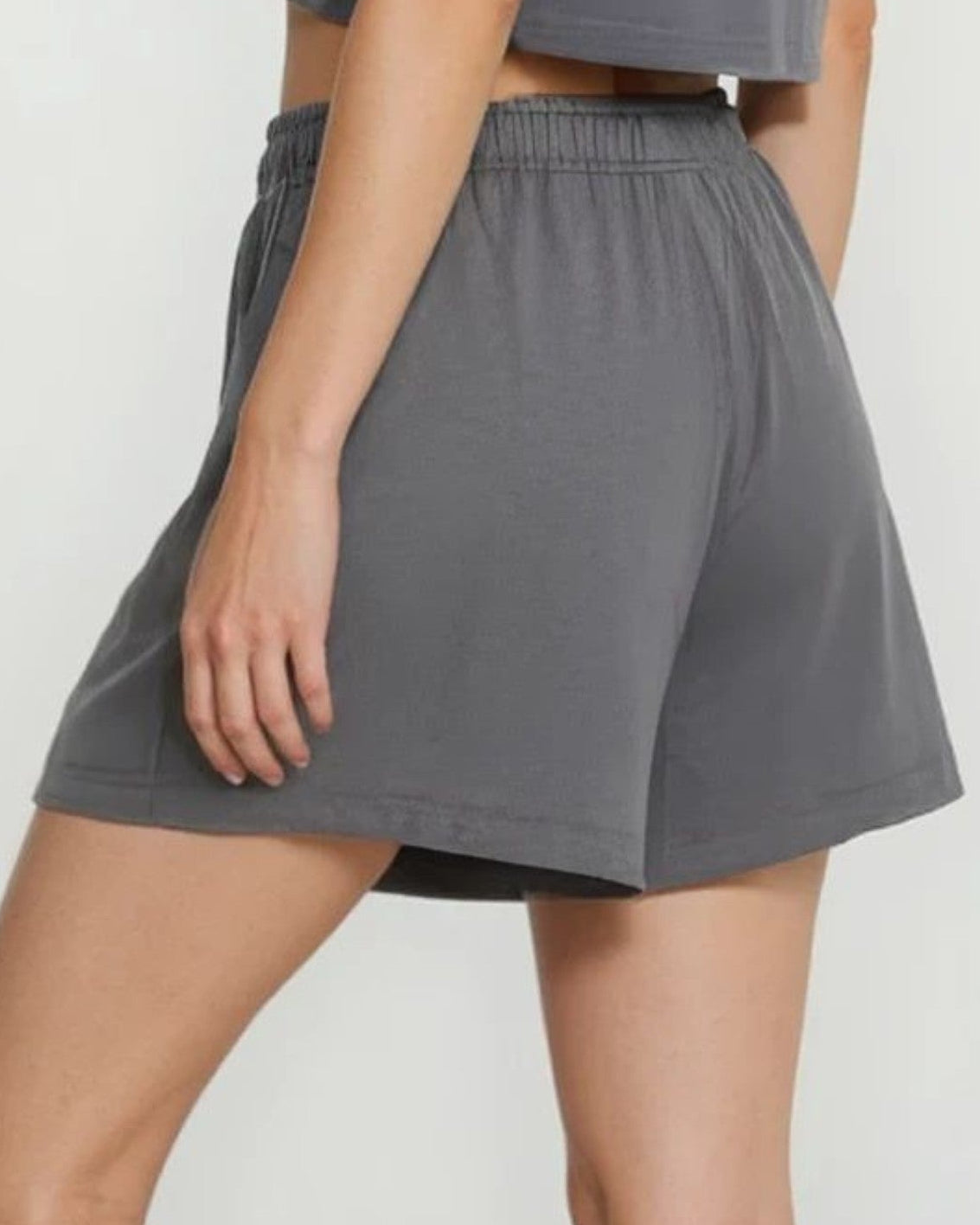
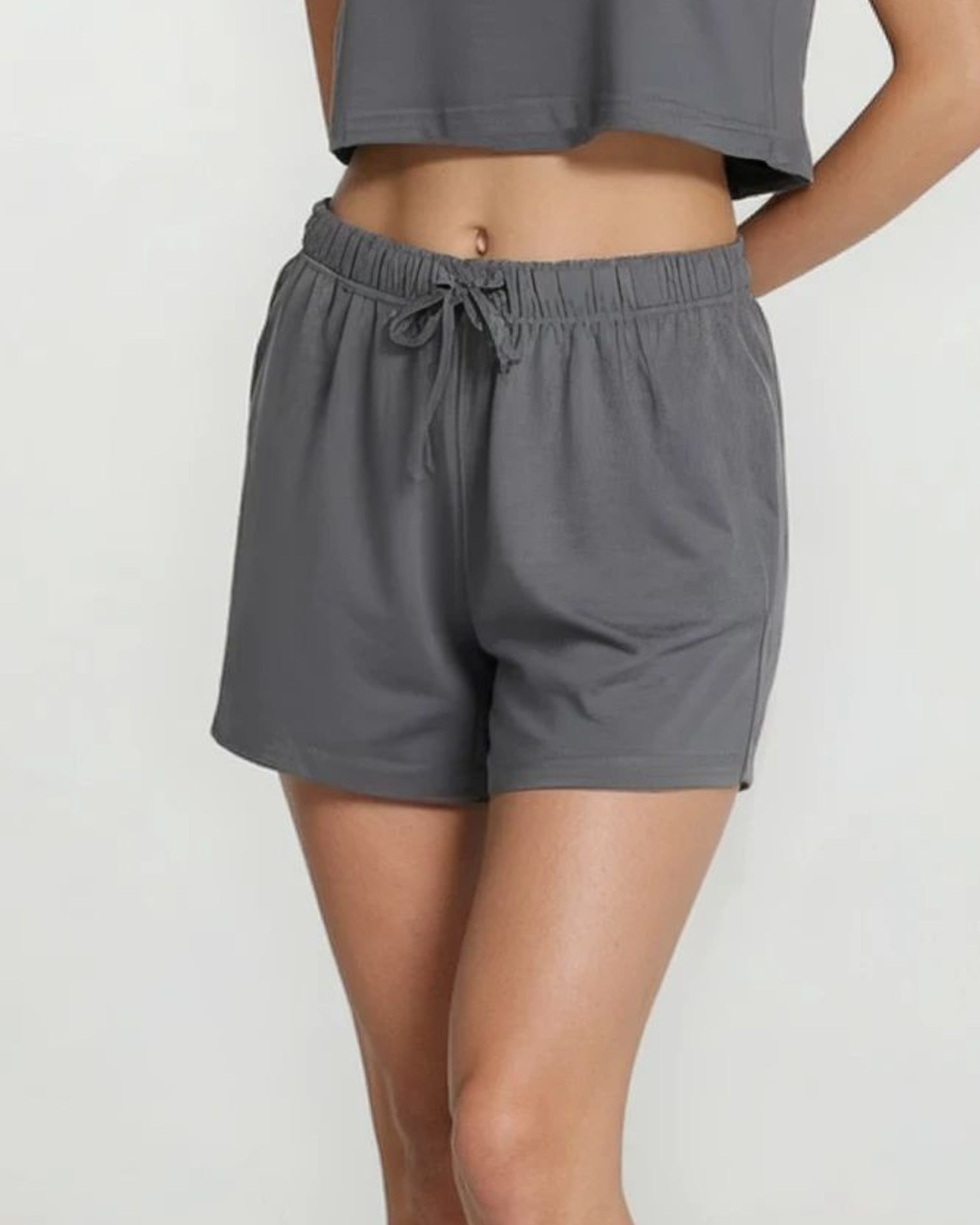
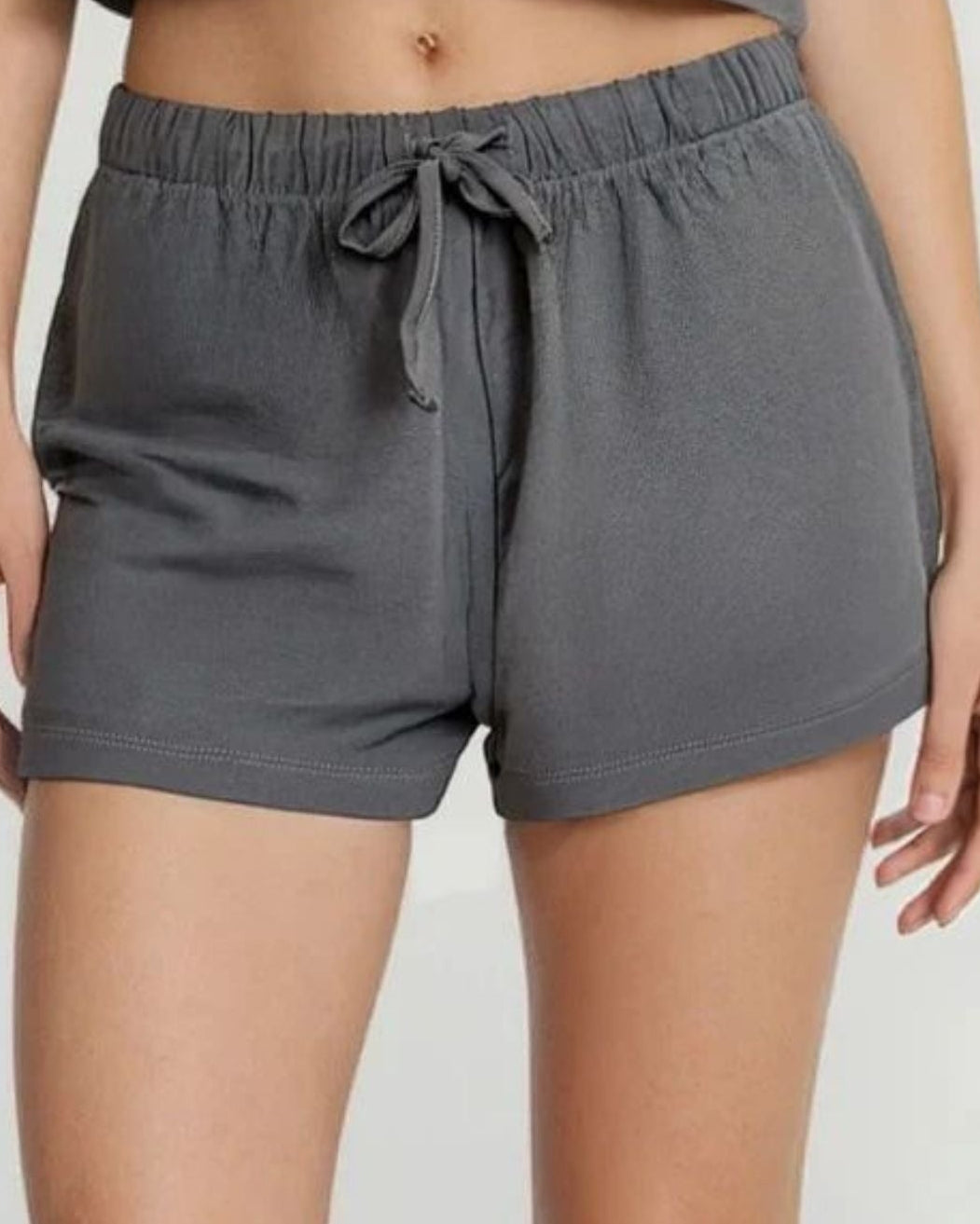
I had a pair of leggings from a big international brand that I genuinely loved for about six weeks. They looked fantastic on the website, felt decent when I first tried them on, and then slowly fell apart. The waistband started rolling down during squats. And after maybe four or five washes, the compression was gone. Just… gone. Sixty-dollar leggings turned into expensive pyjama pants.
That experience is shockingly common. And it's a big part of why more Australian women are quietly moving away from the international activewear giants and looking closer to home instead.
But it's not just about dodgy leggings. There are some real, practical, measurable reasons why Australian-designed activewear works better for Australian women and they go deeper than "buy local because it's nice."
What Makes Australian Activewear Different From International Brands?
The fundamental difference comes down to design context. International activewear brands, the ones headquartered in Portland, London, Munich design for their climate, their market, and their consumer base first. Australia is an afterthought. A secondary market. The fabrics, fits, and design priorities are built around Northern Hemisphere conditions and then shipped here with minimal adaptation.
Australian activewear brands design for Australia first. That means accounting for 35-degree days with 80% humidity, UV indexes that regularly sit at "extreme," and a lifestyle where you might go from a morning gym session to school drop-off to a coffee catch-up without changing clothes. The laid back lifestyle that is an envy of many around the world, you know what I mean! The fabrics need to breathe. The fits need to stay put through sweat. The materials need to handle sun exposure without degrading.
This isn't a subtle difference. It changes everything, from the fibres chosen to the way seams are constructed.
Does Breathable Activewear Actually Matter in Hot Weather?
Short answer: more than most people realise.
When you exercise in heat and humidity, your body produces sweat to cool itself down. If the fabric you're wearing doesn't wick that moisture away from your skin, two things happen: you overheat faster, and bacteria starts breeding in the trapped moisture (which is why some gym gear smells terrible after one session, even when it's been washed).
Most international brands use synthetic blends such as polyester, nylon, elastane. These work well in cooler climates, but in Australian heat they can trap warmth and feel clammy against the skin. They're also petroleum-based, which is a whole other conversation.
At Active by GS, we use bamboo fabric blends, and there's a specific reason for that. Bamboo fibre is naturally thermoregulating, it keeps you cool in summer and warm in winter. The cross-section of bamboo fibre is filled with micro-gaps and micro-holes, which makes it genuinely breathable in a way that synthetic fabrics struggle to replicate. It can absorb up to three times its own weight in moisture and wicks sweat away from the body rather than holding onto it.
On top of that, bamboo naturally provides UPF 50+ sun protection, blocking more than 98% of harmful UV rays. When you're exercising outdoors in Australia, walking, running, doing a park workout, that's not a marketing feature. That's protection you actually need.

Why Do Australian Women Demand More From Their Leggings?
Because they've been burned. Repeatedly.
The fit problem with international activewear isn't about vanity, it's about function. When your leggings roll down during a workout, you're distracted. When the sizing is inconsistent between brands (or even within the same brand), you waste money on returns and lose trust in online shopping altogether.
Australian brands have gotten sharper about this because the feedback loop is tighter. We're not a giant corporation processing thousands of generic customer service tickets through a chatbot in another timezone. When someone tells us the waistband on a particular style needs more support, that feedback reaches the people who actually design the product.
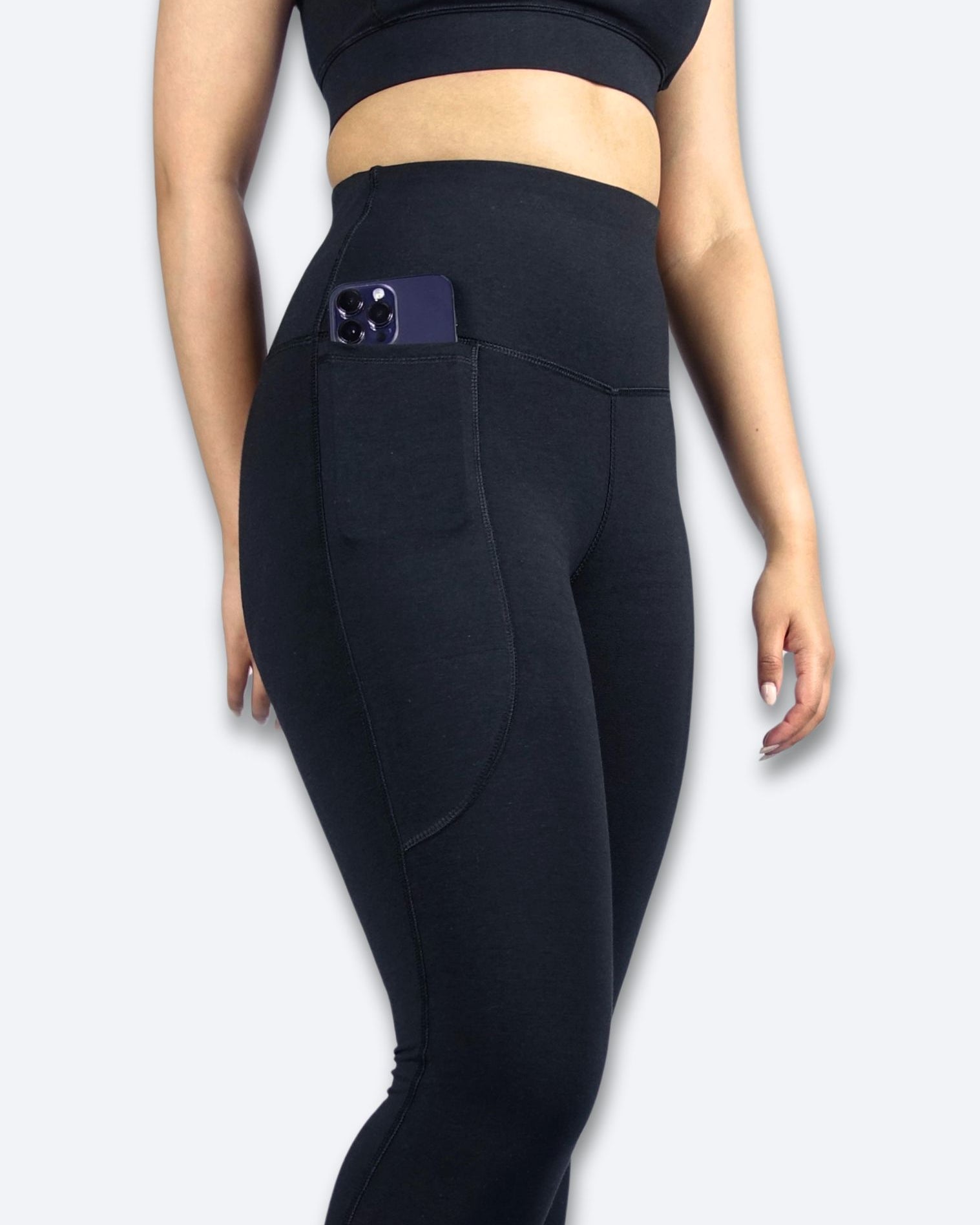
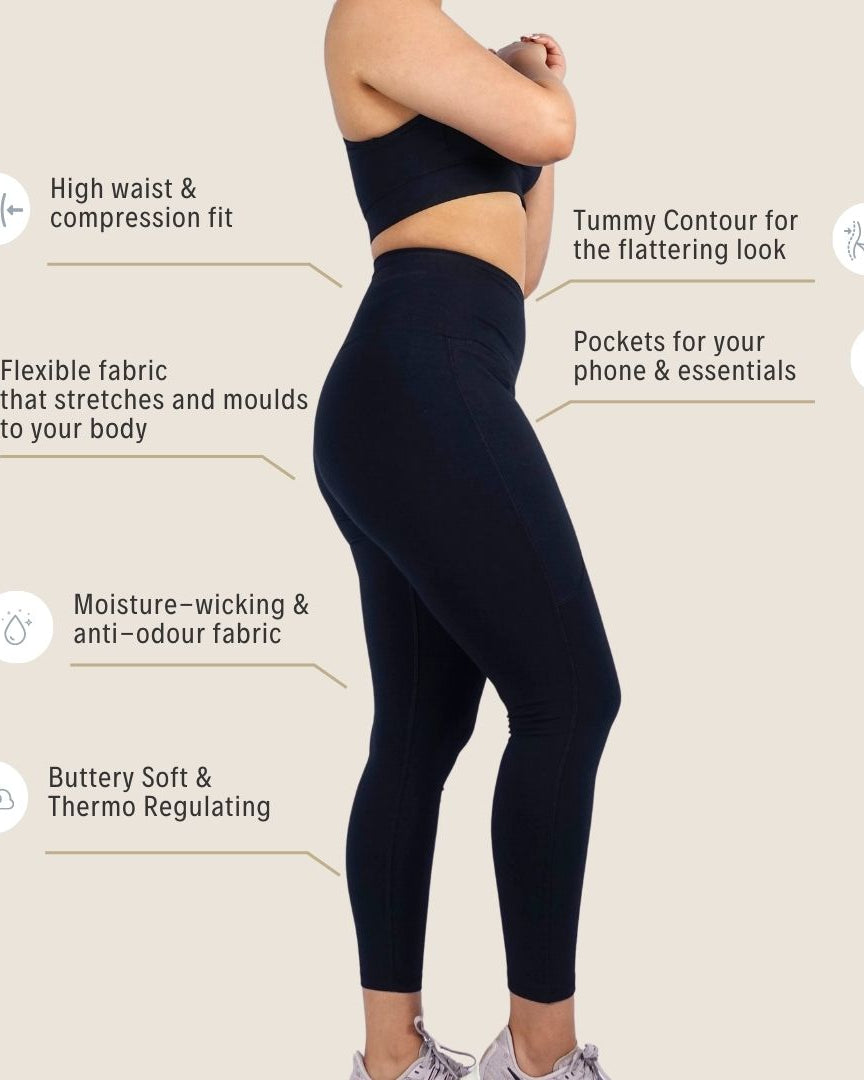
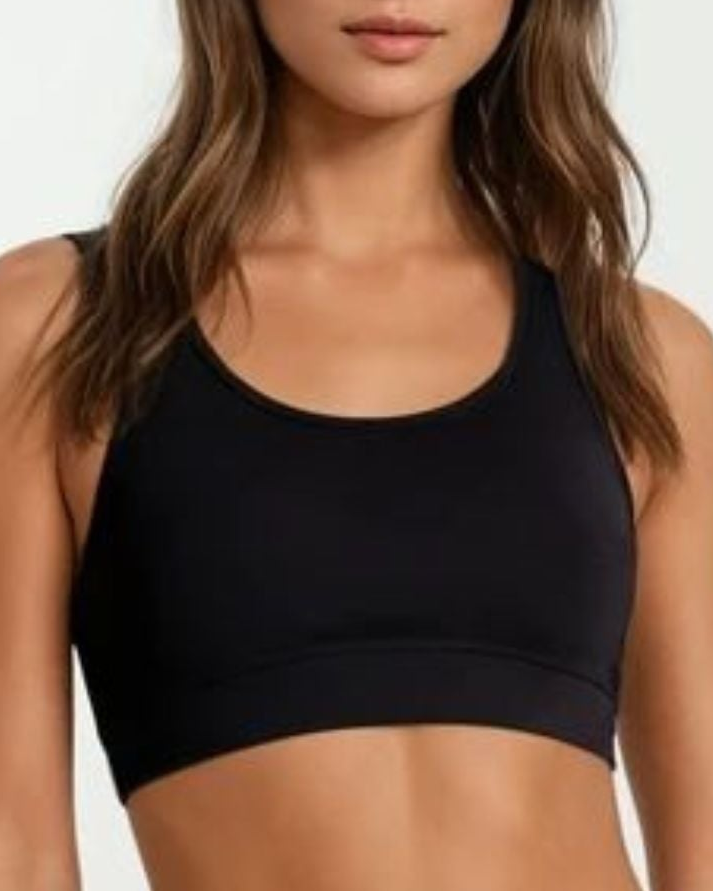
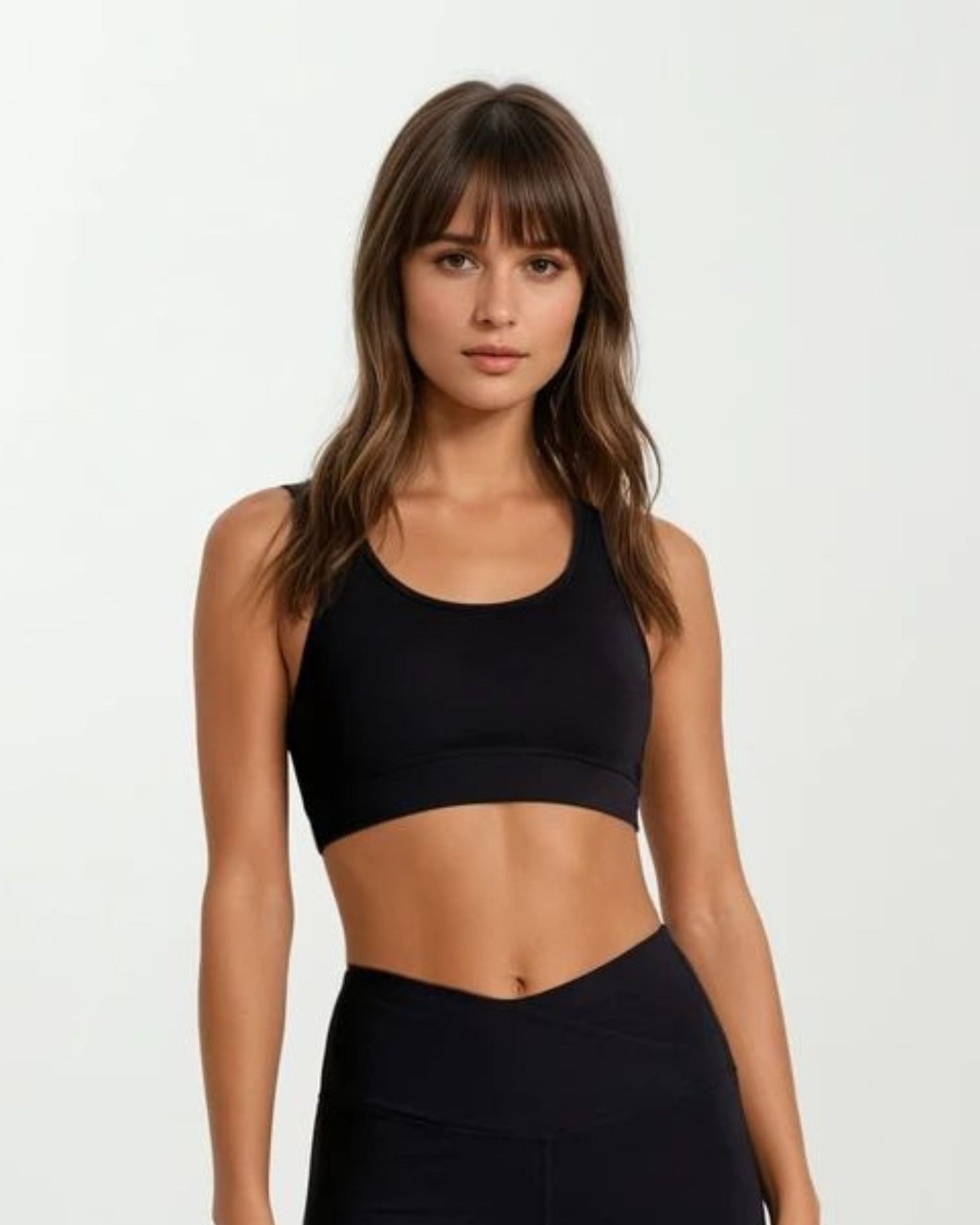
At Active by GS, we take customer feedback seriously. If something isn't working, we go straight to our design team to make the next version better. We make our activewear in sizes XS through 2XL with four-way stretch and gentle compression. The bamboo-cotton blend moves with your body, it doesn't fight you. And because bamboo fibre has a natural softness (it's often compared to silk or cashmere in terms of hand-feel), it sits against the skin without irritation. This matters more than people think, especially for women with sensitive or allergy-prone skin.
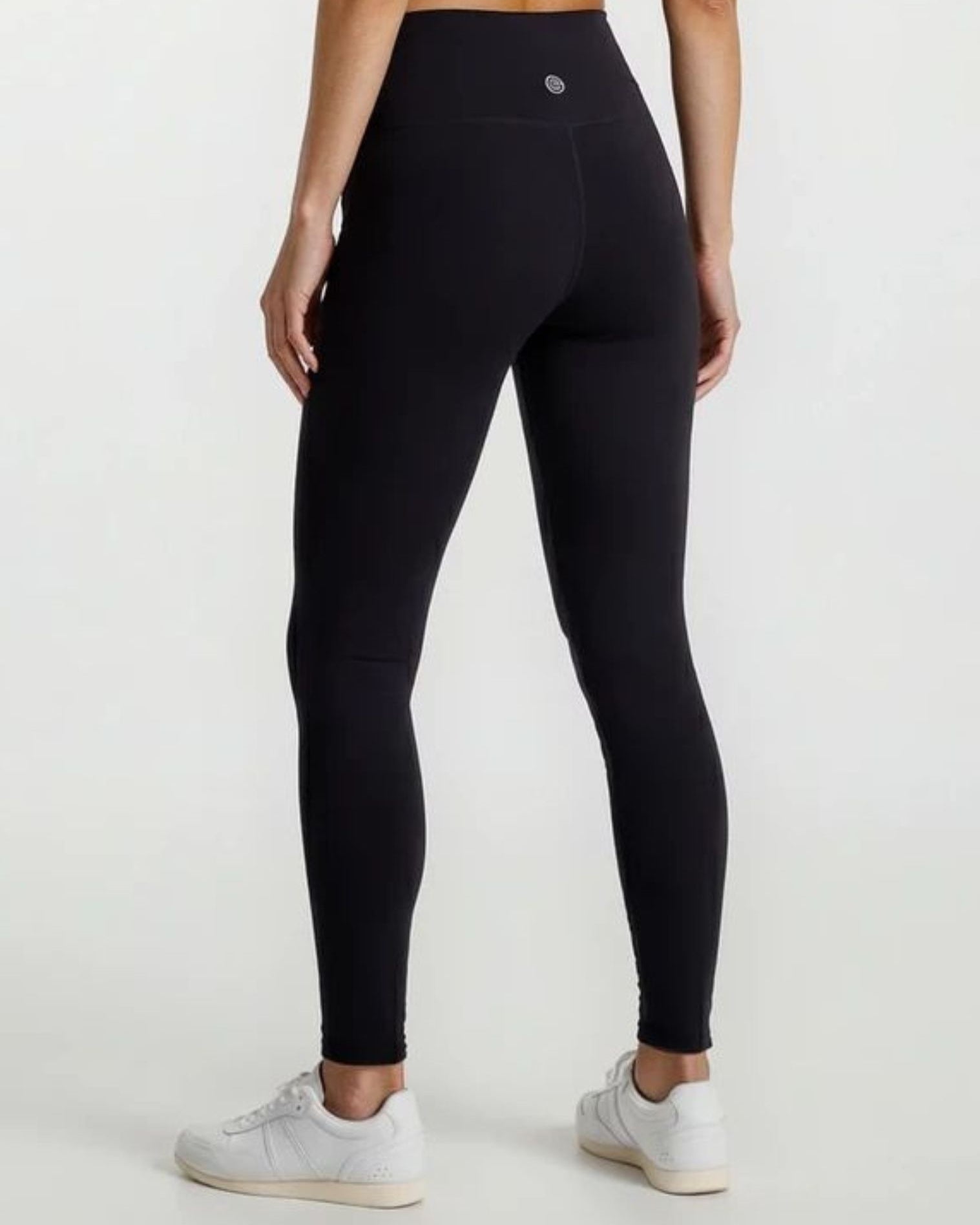
The goal is simple, put your activewear on and forget about it. If you're adjusting, pulling, or worrying about your activewear, the design has failed you. Our leggings design guide covers exactly how we approach fit, from waistband construction to flatlock seaming.
Is Sustainable Activewear Actually Sustainable, or Is It Greenwashing?
This is probably the most important question in the activewear industry right now, and I think a lot of brands are hoping you won't ask it too loudly.
"Sustainable" has become one of those words that gets thrown onto packaging and Instagram captions without much accountability. A brand can call itself sustainable because it used one recycled fabric in a single product line, while the rest of their range is manufactured using conventional processes. Technically, they're not lying. Practically, they're not really doing much either.
So here's what we actually do, and you can verify all of it.
The process of turning bamboo into fabric is relatively straightforward: it's soaked, pulped, and spun into yarn. It can then be made into either rayon or lyocell, both of which are soft and silky, but can be used in a much wider array of products than silk can. We mix bamboo with cotton and spandex (because bamboo on its own isn't the strongest fibre). By blending, you get the sustainability and softness of bamboo with the durability and stretch of cotton and spandex. Best of both worlds.
Bamboo grows fast compared to other plants, typically about three years from planting to harvest, whereas the average lifespan for cotton crops is seven years. Because this plant grows so quickly there's no need to replant after each harvest, just let the bamboo grow back on its own! Plus, you don't need good soil quality for bamboo farming as long as you provide enough water throughout the growing season (the same cannot be said with cotton). It doesn't need pesticides or fertilisers, and it requires significantly less water overall.
Every Active by GS product is Oeko-Tex certified. That means an independent third party has tested our fabrics for over 100 harmful substances lead, arsenic, formaldehyde, pesticides, heavy metals and confirmed they're not present. Our fabrics are also GOTS certified, meaning they've been produced using environmentally responsible processes. Our dyes are non-toxic; natural dyes use up to 90% less water than conventional dyeing processes, they don't contain harsh chemicals or heavy metals, and they have a lower carbon footprint overall.
Our main supplier's manufacturing facility runs on solar power generating renewable energy. We collaborate with manufacturers who apply fair trade policies, and our workers are paid according to fair trade practices.

How Long Should Good Activewear Actually Last?
Here's a question I don't think enough people ask before buying, what's the cost per wear?
A $20 pair of fast fashion leggings that loses its shape after a month gives you maybe 15 wears before it's essentially done. That's $1.33 per wear and then it goes to landfill. A $90 pair of bamboo leggings that holds up for two years of regular use and washing gives you hundreds of wears at a fraction of the per-wear cost. And when it does eventually reach end of life, bamboo is biodegradable (when produced using natural methods), so it's not sitting in a tip for the next 200 years.
Our bamboo and cotton blends are designed for repeated wear. The fabric is naturally antibacterial thanks to a property in bamboo called Bamboo Kun, which resists the growth of bacteria without any chemical treatment. This means your gear stays fresher between washes, you can wear it more times before washing, and each garment lasts longer as a result. The compression and four-way stretch hold their structure through wash cycle after wash cycle.
We're not making disposable fashion. We're making pieces you rotate through your week for years.
Can You Actually Wear Activewear as Everyday Clothing?
You might have heard the term "athleisure", wearing activewear outside the gym as part of your everyday wardrobe. In Australia, this isn't really a trend. It's just how most of us dress. The climate is casual, the weather is warm, and nobody is getting dressed up to grab groceries on a Saturday morning.
The trick is designing activewear that earns its place in that crossover. That means minimalist aesthetics, versatile colourways, and cuts that look intentional rather than "I just came from the gym." Our founder is an architect by profession, and that background shows up in the design approach such as clean lines, considered proportions, pieces that serve double duty without looking like they're trying too hard.
You shouldn't need a separate wardrobe for training and for life. One well-designed collection of bamboo activewear can take you from a Pilates class to brunch to an afternoon walk and back home again. Voilà! That's the whole point of thoughtful design.

Why Are More Australians Choosing to Buy From Local Activewear Brands?
There's a genuine shift happening in how Australians shop, and it goes beyond activewear. People want to know who they're buying from. They want shorter supply chains, more transparent practices, and the ability to actually contact a real human being if something goes wrong with their order.
When you buy from a local brand, the customer service is personal. The quality control is tighter because smaller brands can't survive reputational hits the way global corporations can. And there's a transparency that's hard to fake, we can tell you exactly where our bamboo comes from, who manufactures our garments, what certifications we hold, and why we chose every material in our range.
International brands market at you. Local brands talk with you. We're not paying celebrities to hold up our leggings. We're building something with the women who actually wear them, and that relationship goes both ways.
Frequently Asked Questions
Is bamboo activewear good for hot weather?
Bamboo is one of the best fabrics for hot weather because it's naturally thermoregulating and breathable. Bamboo fibre's micro-gap structure allows airflow close to the skin, and it can absorb up to three times its own weight in moisture, wicking sweat away rather than trapping it. It also provides natural UPF 50+ sun protection, making it particularly well-suited to the Australian climate.
What does Oeko-Tex certified mean for activewear?
Oeko-Tex certification means an independent third-party laboratory has tested the fabric for over 100 harmful substances including lead, pesticides, arsenic, formaldehyde, and heavy metals and confirmed they're absent. It's one of the most widely recognised textile safety certifications in the world and a reliable indicator that the clothing is safe for direct skin contact during exercise.
How is bamboo fabric made?
Bamboo is soaked, pulped, and spun into yarn that can be woven or knitted into fabric. The resulting material is typically blended with other fibres like cotton or spandex for added strength and stretch. Bamboo farming requires no pesticides, minimal water compared to cotton, and the plant regrows after harvest without replanting making it a genuinely renewable resource.
What should I look for in sustainable activewear in Australia?
Look for specific, verifiable certifications rather than vague claims. Oeko-Tex and GOTS certifications confirm chemical safety and organic standards. Check whether the brand discloses its supply chain, uses compostable or recycled packaging, and can name specific sustainable practices beyond generic statements. Bamboo and organic cotton blends are among the most environmentally responsible fabric choices currently available for activewear.
Are Australian activewear brands better quality than international ones?
Not universally but Australian brands that specialise in considered, small-batch production tend to focus heavily on fabric quality, construction, and fit testing because they can't rely on brand recognition alone. Smaller production runs also mean tighter quality control. The best Australian activewear brands compete on materials, certifications, and design rather than on marketing budgets and celebrity endorsements.
Every piece is made from our bamboo and cotton blend. Every product is Oeko-Tex certified. Every order ships in recycled packaging.
Designed in Australia, in sizes XS to 2XL, for the way you actually live.
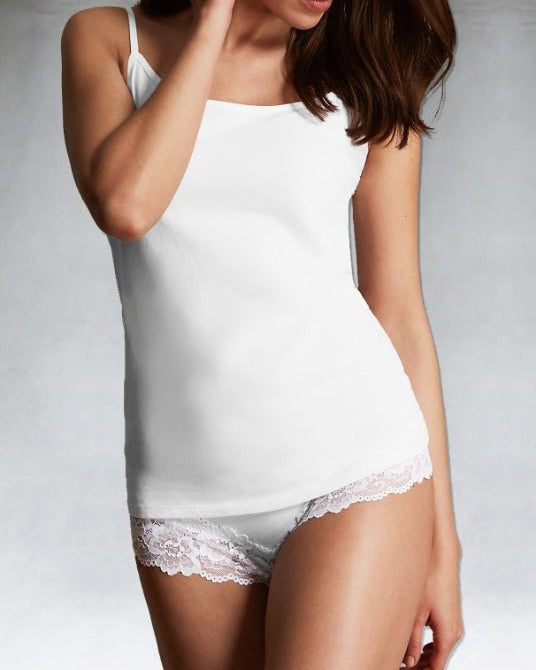
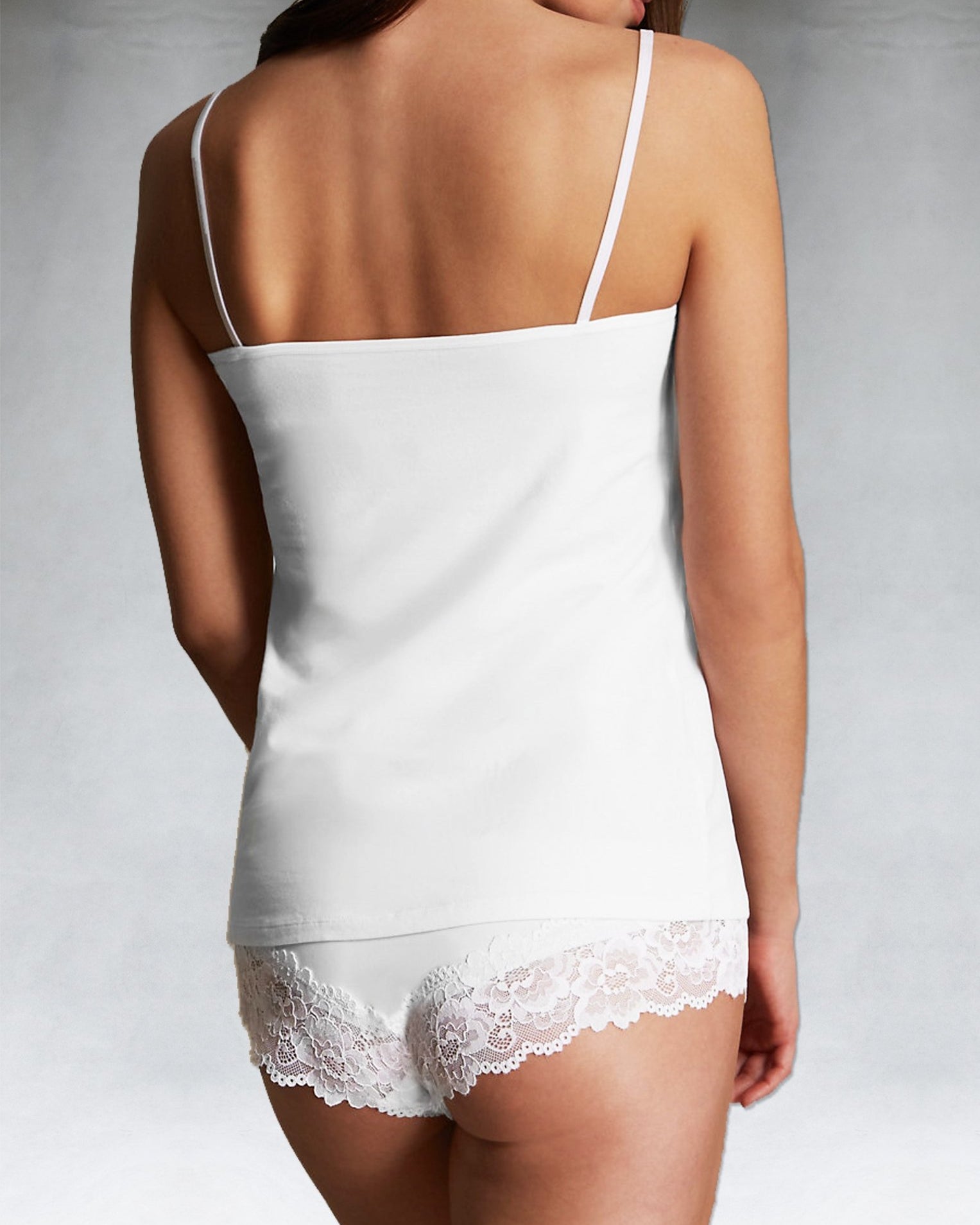
Want low-tox activewear where your sweat won't be toxic and harmful to you? Our Bamboo & Cotton activewear is perfect for sweating, lounging and everyday wear.